Predictive modeling leverages historical and current data to forecast future outcomes, enabling businesses to make informed, proactive decisions.
Across various domains, predictive analytics enhances operational efficiency, customer engagement, asset management, and market strategies.
Key applications include sales forecasting, customer churn prediction, equipment failure forecasting, and market demand anticipation.
Sales Forecasting: Anticipating Revenue and Resource Needs
Businesses use predictive models to forecast sales volumes and revenue based on historical sales data, market trends, promotions, and seasonality. Accurate sales forecasting enables optimal resource planning, inventory management, and financial budgeting.
For example, retail companies predict holiday season demand peaks to adjust inventory and workforce accordingly, reducing stockouts and overstocks.
Customer Churn Prediction: Identifying At-Risk Customers in Advance
Predictive models analyze customer behaviors, transaction histories, and engagement metrics to identify customers likely to churn.
Early identification supports targeted retention campaigns tailored to the needs or pain points of at-risk customers, improving loyalty and reducing attrition.
Telecom and subscription-based businesses commonly use churn prediction models to maintain competitive advantage.
Equipment Failure Prediction: Enabling Preventive Maintenance
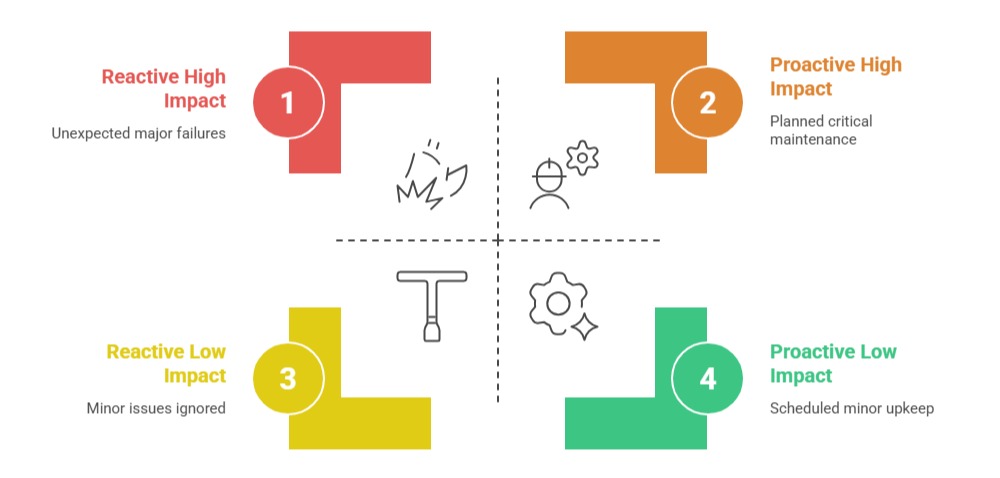
Predictive maintenance models use sensor data, usage patterns, and environmental factors to forecast equipment failures before they occur.
Businesses in manufacturing, logistics, and utilities minimize downtime and costly repairs by scheduling timely maintenance interventions.
For instance, predictive analytics in the automotive industry monitors engine health to preempt breakdowns and enhance safety.
Market Demand Anticipation: Optimizing Production and Inventory
Market demand forecasting integrates sales data, external market indicators, and consumer behavior data to anticipate product demand. Predictive models support just-in-time production, inventory replenishment, and supply chain agility.
Companies optimize capital allocation by adjusting production schedules and inventory levels based on forecasted demand, improving service levels and reducing holding costs.

Class Sessions
Sales Campaign

We have a sales campaign on our promoted courses and products. You can purchase 1 products at a discounted price up to 15% discount.