Clear objectives and measurable outcomes are fundamental to the success of any analytics project.
Establishing SMART objectives, which are Specific, Measurable, Achievable, Relevant, and Time-bound—provides a structured approach to goal setting, ensuring that analytical initiatives deliver tangible business value.
Alongside this, defining appropriate success metrics, such as Key Performance Indicators (KPIs), sets benchmarks to track progress and evaluate the impact of analytics efforts.
Additionally, realistic timelines, milestones, and accountability frameworks help maintain focus, manage expectations, and drive project completion.
Establishing Specific, Measurable Targets for Analytics Initiatives
Setting specific goals provides clarity on what the analytics project aims to achieve. A well-defined objective articulates the problem and desired outcome precisely, avoiding ambiguity.
1. Specific: Clearly state what will be accomplished, who is responsible, and what actions will be taken.
2. Measurable: Define quantifiable metrics to monitor progress and verify success (e.g., “Increase monthly sales by 10%”).
3. Achievable: Ensure goals are realistic given the available resources and constraints.
4. Relevant: The objective should align with broader business goals, providing strategic value.
5. Time-bound: Include deadlines or time frames to create urgency and focus efforts.
For example, a SMART goal might be: “Improve customer retention by 15% within six months by implementing personalized marketing campaigns.”
Defining Key Performance Indicators (KPIs) for Business Outcomes
KPIs are the specific measures used to track the success of objectives. Selecting the right KPIs is critical to accurately assess performance and make data-driven decisions.
1. KPIs should be aligned with business priorities and directly linked to the project’s objectives.
2. Examples include revenue growth rate, customer churn rate, average resolution time, and conversion rate.
3. KPIs need to be actionable to drive changes in strategy or operations.
Monitoring KPIs regularly enables early identification of issues and assessment of whether the analytics initiative meets its targets.
Setting Realistic Timelines and Delivery Milestones
Timelines provide structure and manage expectations for project duration and deliverables.
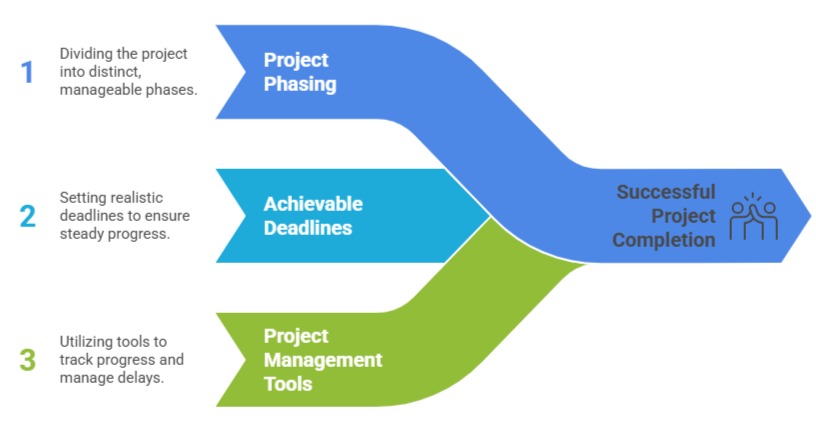
Clear timelines help in resource planning and ensure alignment among team members and stakeholders.
Creating Accountability Frameworks for Analytics Project Success
Accountability mechanisms ensure responsibilities are clear and progress is transparent.
1. Assign roles and responsibilities to team members and stakeholders.
2. Establish governance structures like regular status meetings, progress reports, and escalation protocols.
3. Use dashboards or scorecards to provide visibility into project status and KPI achievements.
4. Encourage continuous feedback loops to refine objectives and processes as needed.
Strong accountability frameworks support collaboration, mitigate risks of delays or scope creep, and maximize the value of analytics projects.

Class Sessions
Sales Campaign

We have a sales campaign on our promoted courses and products. You can purchase 1 products at a discounted price up to 15% discount.