Business analytics is the practice of using data, statistical methods, and technology to transform raw business data into meaningful insights that support decision-making and improve organizational outcomes.
At its core, business analytics involves collecting relevant data from diverse sources, processing and analyzing this data using quantitative techniques, and then interpreting the results to guide better business strategies.
This discipline helps organizations understand past performance, diagnose causes of business outcomes, forecast future trends, and prescribe actions to optimize processes and achieve competitive advantages.
Over the years, business analytics has evolved from simple reporting to a complex, data-driven approach to management.
Initially focused on inward-looking performance measurement, modern analytics incorporates predictive modeling, machine learning, and real-time data processing to enable proactive, agile decision-making in rapidly changing markets.
Today’s business leaders rely on analytics to uncover hidden patterns, optimize operations, improve customer experiences, and identify new growth opportunities.
This shift toward data-driven decision-making has transformed analytics into an essential function across industries, addressing the increasing complexity of business environments and technological advancements.
Why Analytics Matters?
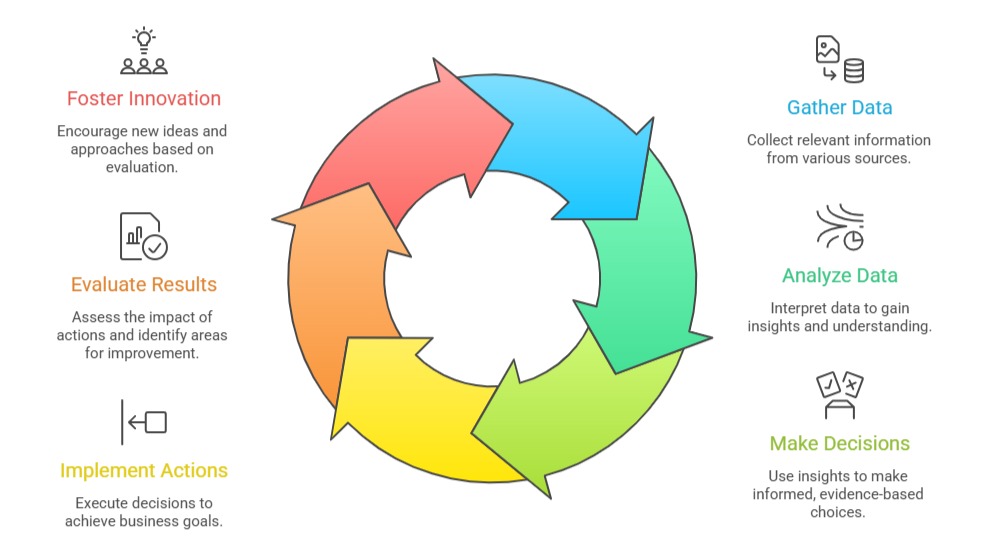
Analytics creates a competitive advantage by enabling companies to make informed, evidence-based decisions rather than relying on intuition alone.
It provides a clearer understanding of market conditions, customer behavior, and internal operations, allowing organizations to respond rapidly to challenges and capitalize on opportunities.
By fostering a culture of continuous improvement and innovation, analytics helps reduce costs, increase revenue, mitigate risks, and drive overall business performance.
Role of the Business Analyst
Business analysts serve as critical links between data technical teams and organizational decision-makers.
They are responsible for identifying business needs, framing analytics problems, interpreting data insights, and communicating actionable recommendations to stakeholders.
Their role involves collaborative problem-solving, translating complex technical information into understandable business language, and ensuring that analytics initiatives align with strategic goals.
As businesses increasingly depend on data, the demand for skilled analysts who can bridge the gap between data science and business strategy continues to grow.

Class Sessions
Sales Campaign

We have a sales campaign on our promoted courses and products. You can purchase 1 products at a discounted price up to 15% discount.