In today’s data-driven business environment, structured frameworks and problem-solving methodologies are crucial for deriving actionable insights from complex data sets.
Analytics frameworks provide a systematic approach to data analysis projects, ensuring that efforts are aligned with business goals and deliver measurable value.
These frameworks help analysts and decision-makers manage the entire analytics lifecycle—from understanding the problem to deploying a solution—effectively and efficiently.
CRISP-DM: Cross-Industry Standard Process for Data Mining
One of the most widely adopted analytics frameworks is CRISP-DM, which stands for Cross-Industry Standard Process for Data Mining. It provides a comprehensive, six-phase process for conducting analytics projects and is flexible enough to be adapted across various industries.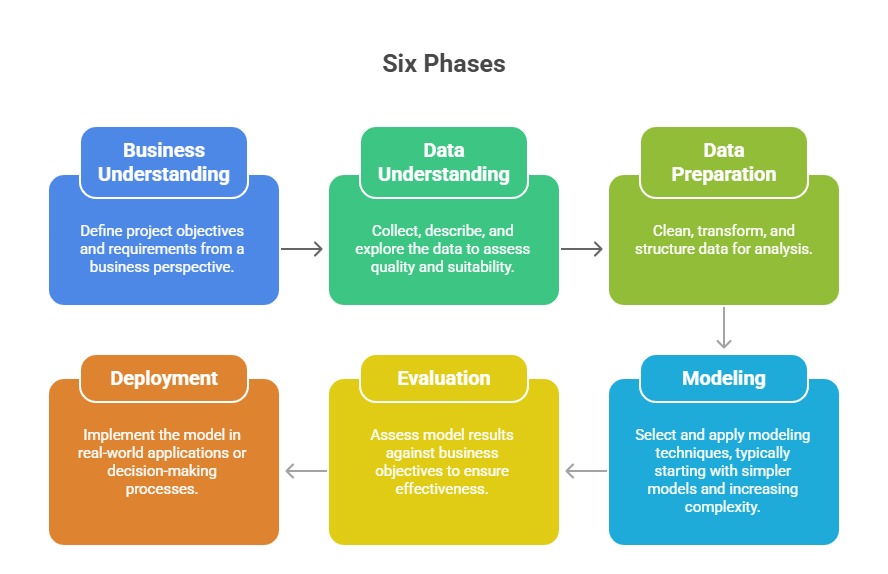
This iterative cycle encourages continuous learning, refinement, and alignment with changing business needs.
Business Context Analysis for Problem Understanding
Before any analytical effort, it's essential to thoroughly understand the business context. This step revolves around comprehending the strategic goals, operational processes, market environment, and organizational constraints that may influence the analytics project.
Key considerations include:
1. Identifying the problem's impact on the organization and stakeholders.
2. Assessing available resources, technology, and data infrastructure.
3. Clarifying assumptions and defining the scope to avoid scope creep.
4. Understanding regulatory or compliance factors affecting data usage and decisions.
A clear business context ensures that analytics efforts focus on meaningful problems rather than just technical challenges.
SMART Problem Statement Framework
Effective problem formulation is vital for the success of any analytics project. The SMART framework provides a guideline for creating actionable problem statements that are:
1. Specific: Clearly define the problem and what is expected.
2. Measurable: Ensure that outcomes can be quantified or evaluated.
3. Actionable: Frame the problem so that it leads to concrete actions.
4. Relevant: Align the problem with broader business objectives.
5. Time-bound: Set deadlines or time frames for achieving results.
For example, a good SMART problem statement might be: “Increase customer retention rate by 10% within the next 12 months through targeted marketing campaigns.”
Business Impact Assessment and Success Metrics Definition
To demonstrate value, analytics projects require clear metrics that measure business impact and success.
This includes identifying Key Performance Indicators (KPIs) aligned with organizational goals and tracking them before and after implementing analytics-driven solutions.
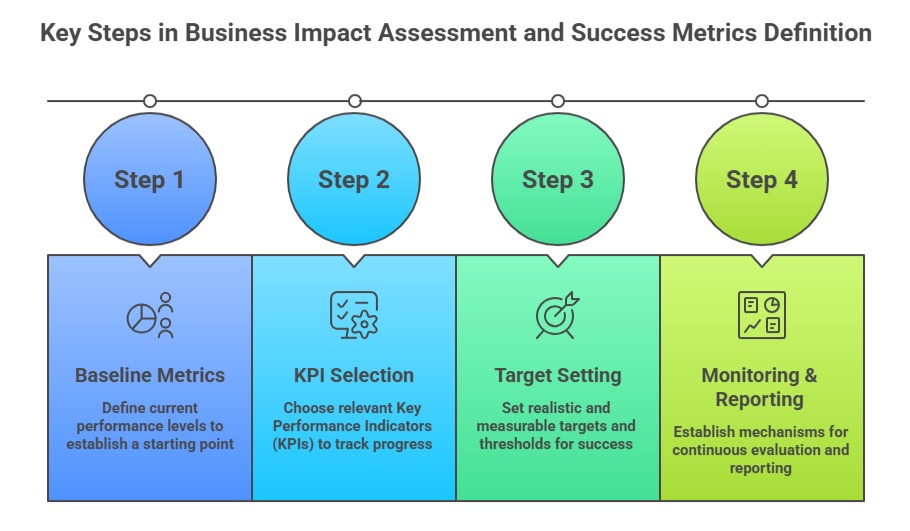
An impact-focused approach ensures accountability and helps justify analytics investments.
Stakeholder Identification and Alignment Strategies
Successful analytics projects depend on identifying and engaging the right stakeholders early and throughout the project lifecycle. Stakeholders can range from executives and managers to data scientists, IT teams, and end-users.
Best practices include:
1. Mapping stakeholders by influence and interest.
2. Understanding their expectations, concerns, and communication preferences.
3. Facilitating collaboration and conflict resolution among diverse groups.
4. Regularly updating stakeholders on progress and seeking feedback.
Alignment ensures that analytics outcomes are relevant, accepted, and implemented effectively.