In the evolving cybersecurity landscape, organizations increasingly rely on an array of security tools such as firewalls, intrusion detection systems, antivirus software, and security information and event management (SIEM) platforms.
While these conventional tools provide essential protection and monitoring capabilities, the integration of Artificial Intelligence (AI) tools with their outputs offers transformative benefits.
AI enhances the effectiveness of traditional security tools by analyzing vast volumes of data, recognizing complex patterns, prioritizing threats, and automating responses.
Combining AI with conventional tool outputs creates a synergistic defense mechanism, improving detection accuracy, reducing alert fatigue, and enabling faster incident responses.
Understanding Conventional Security Tool Outputs
Conventional security tools generate diverse outputs that form the backbone of security monitoring and incident detection:
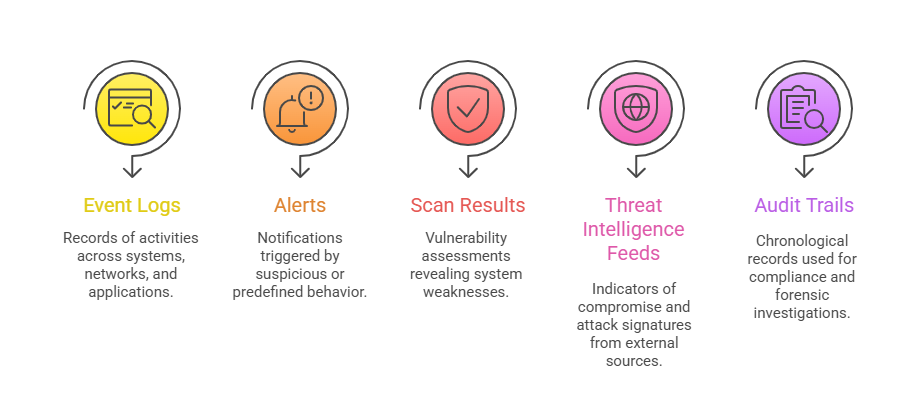
These outputs provide critical raw and contextual data essential for security operations centers (SOC) to detect and respond to threats.
Role of AI in Enhancing Conventional Security Outputs
AI tools augment and amplify the value of conventional outputs by:
1. Data Aggregation and Correlation: AI algorithms consolidate outputs from multiple tools into unified sets, identifying patterns and connections across disparate alerts and logs.
2. Anomaly Detection: Unsupervised learning models identify deviations from baseline behaviors not captured by static rules, detecting unknown or evolving threats.
3. Prioritization and Risk Scoring: AI assigns risk scores based on the contextual relevance and potential impact of alerts, focusing analyst attention on the most critical events.
4. False Positive Reduction: Machine learning models learn from historical analyst feedback to distinguish true threats from benign anomalies, reducing alert fatigue.
5. Automated Recommendations and Actions: AI-driven decision support suggests remediation steps or triggers automated responses, speeding up containment.
6. Natural Language Processing (NLP): Analyzes textual logs and reports, extracting relevant indicators and summarizing complex data for easier interpretation.
This layered AI processing transforms raw data into actionable intelligence.
Integration Strategies for AI and Conventional Tools
Effective blending of AI and conventional security outputs requires structured approaches:
1. APIs and Data Pipelines: Utilize standardized APIs to funnel security tool outputs into AI platforms in real-time or batch modes.
2. Unified Data Models: Normalize and structure heterogeneous data for seamless AI consumption.
3. Modular AI Components: Deploy specialized AI modules focusing on specific analysis tasks—such as anomaly detection or alert prioritization—integrated with overall security workflows.
4. Feedback and Learning Loops: Incorporate analyst interactions and incident outcomes to continuously improve AI model accuracy.
5. Security Orchestration Platforms: Embed AI-enhanced outputs within SOAR tools to automate playbooks and coordinate cross-tool responses.
Combining technical and procedural integration ensures AI acts as an enhancer, not a silo.
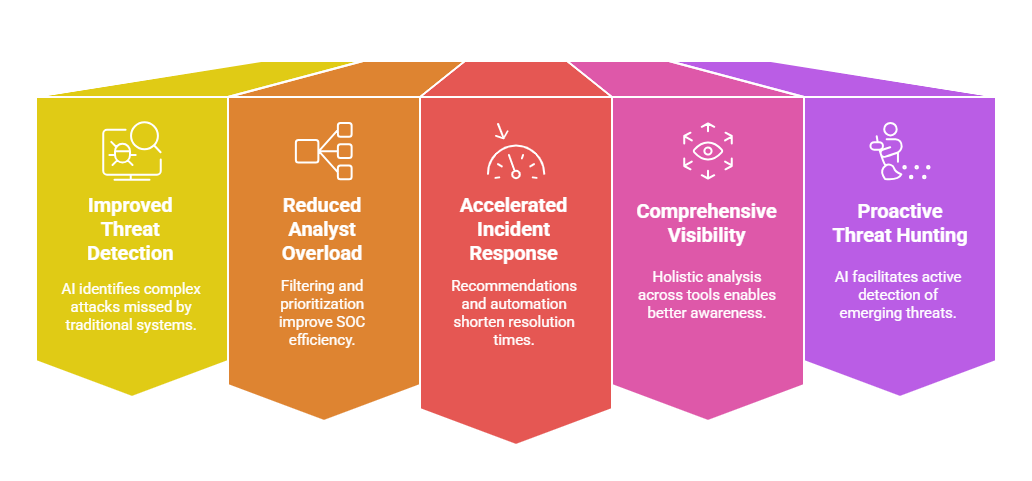
Benefits of Combining AI with Conventional Security Tools
Pairing AI with established security technologies creates a more resilient and intelligent security ecosystem. The points below outline the major advantages of this blended approach.
Challenges and Best Practices
To maximize the value of AI-driven security tools, teams must handle operational, architectural, and security concerns. Here are the primary challenges and practices that guide successful integration.
1. Data Quality and Consistency: Ensuring accuracy and completeness in inputs prevents propagation of errors.
2. Model Transparency: Explainable AI fosters trust and facilitates analyst adoption.
3. Integration Complexity: Standardizing data formats and establishing reliable pipelines require careful design.
4. Continuous Maintenance: Regular updates to AI models and integration points maintain effectiveness amid threat evolution.
5. Security of AI Systems: Protect AI platforms from manipulation or exploitation to avoid undermining security.
