Business Intelligence (BI) tools derive their value from the ability to connect to a wide range of data sources and integrate data seamlessly for comprehensive analysis.
Data connectivity and integration constitute the backbone of BI systems, enabling disparate data from various platforms—whether on-premises or cloud-based—to be unified, cleaned, and transformed into a single source of truth. Without robust connectivity and integration capabilities, BI tools cannot deliver accurate, timely, and actionable insights.
Importance of Data Connectivity and Integration in BI
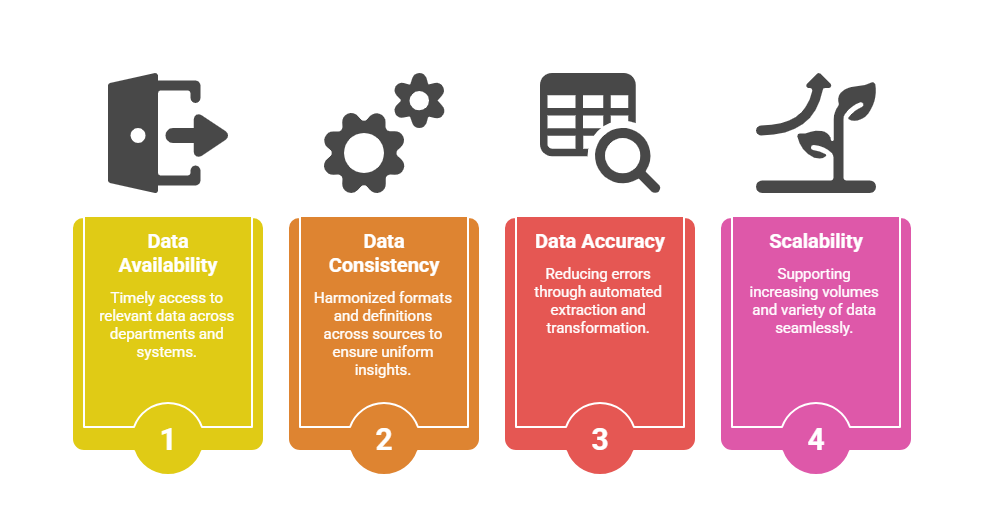
Effective BI requires access to diverse datasets scattered across organizational silos, legacy systems, SaaS platforms, databases, and external sources. Integration consolidates these heterogeneous data into consistent formats, ensuring data quality and enabling holistic analytics. Features that facilitate connectivity and integration directly impact:
Common Data Sources and Connection Types
BI tools support multiple connectivity methods to interfaces and protocols for diverse data sources:
1. Relational Databases: Connectors for SQL-based databases like Oracle, Microsoft SQL Server, MySQL, and PostgreSQL are common. These allow querying structured data stored in tables.
2. Cloud Data Warehouses and Lakes: Support for platforms such as Google BigQuery, Amazon Redshift, Snowflake, and Azure Synapse enables integration with scalable, cloud-native data storage.
3. Flat Files and Spreadsheets: CSV, Excel, and other file formats are supported for smaller-scale or legacy data not stored in databases.
4. APIs and Web Services: REST and SOAP APIs provide integration with SaaS applications (Salesforce, Google Analytics) and external data feeds.
5. Big Data Platforms: Connectors for Hadoop, Spark, and NoSQL databases (MongoDB, Cassandra) cater to semi-structured and unstructured data.
6. Streaming and Real-time Data: Integration with message queues (Kafka, RabbitMQ) and real-time event streams supports live data analysis.
Data Integration Techniques in BI
Integration typically involves various techniques to prepare and unify data for analysis:
1. Direct Query / Live Connection: BI tools query the data source in real time without data replication, ensuring up-to-date results but requiring dependable source performance.
2. Data Import / In-memory Processing: Data is imported and cached locally in the BI tool’s memory, enabling faster interaction but necessitating periodic refreshes for new data.
3. ETL/ELT Processes: Extraction, Transformation, and Loading (ETL) or Extract, Load, Transform (ELT) prepare and clean data before BI consumption, often orchestrated via dedicated data integration platforms.
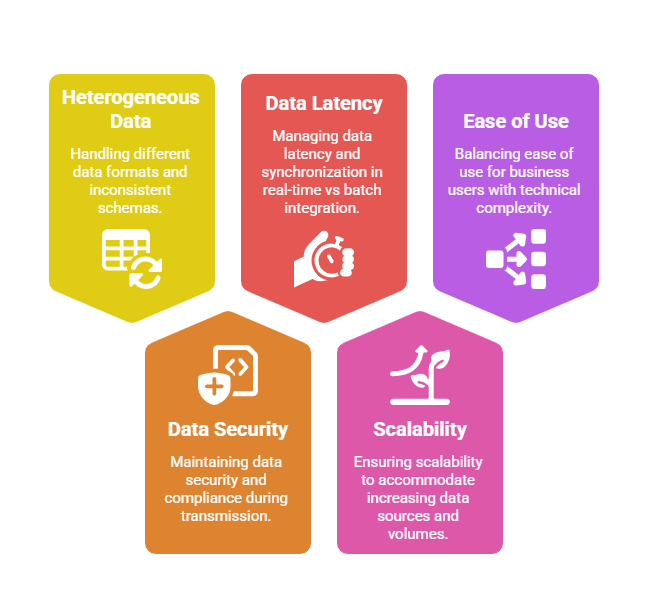
Challenges in Data Connectivity and Integration
Best Practices for Effective Data Connectivity and Integration in BI
Effective integration ensures accurate analytics and smooth data flow across platforms. Consider the following recommendations to optimize your BI connectivity:
1. Adopt Standardized Connectors: Use certified and well-supported connectors for commonly used databases and platforms.
2. Data Cataloging and Metadata Management: Maintain metadata to understand source relationships and lineage clearly.
3. Automate Data Integration Pipelines: Leverage orchestration tools for scheduled and event-driven data updates.
4. Ensure Security and Compliance: Encrypt data in transit, apply role-based access, and comply with data privacy laws.
5. Enable Hybrid Architectures: Support both on-premises and cloud sources to accommodate diverse enterprise ecosystems.
6. User-Friendly Data Access: Provide intuitive interfaces and self-service options for business users to connect and integrate data without IT dependence.