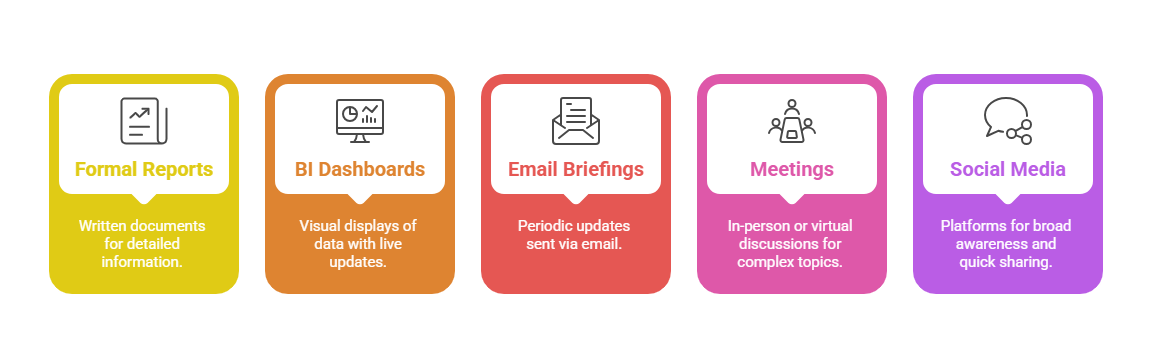
Effective communication of insights to stakeholders is a critical success factor for Business Intelligence (BI) initiatives. It ensures data-driven findings translate into understanding, informed decisions, and ultimately business value. Communication must be clear, tailored, and engaging to bridge gaps between complex data and diverse stakeholder needs.
Know Your Audience and Tailor Your Message
Different stakeholders have distinct backgrounds, interests, and information needs. Successful communication starts with understanding your audience:
1. Executives and Senior Leaders: Prefer high-level, outcome-focused summaries highlighting strategic implications.
2. Middle Managers: Need detailed metrics and operational insights supporting tactical decisions.
3. Technical Teams: Require granular data, assumptions, and methodology for validation and further analysis.
4. External Partners or Clients: Benefit from simplified visuals linked to value propositions and outcomes.
Tailor language, visuals, and messaging style accordingly to maximize resonance and comprehension.
Use Clear and Concise Visualizations
Visuals are powerful when designed simply and aligned with the message: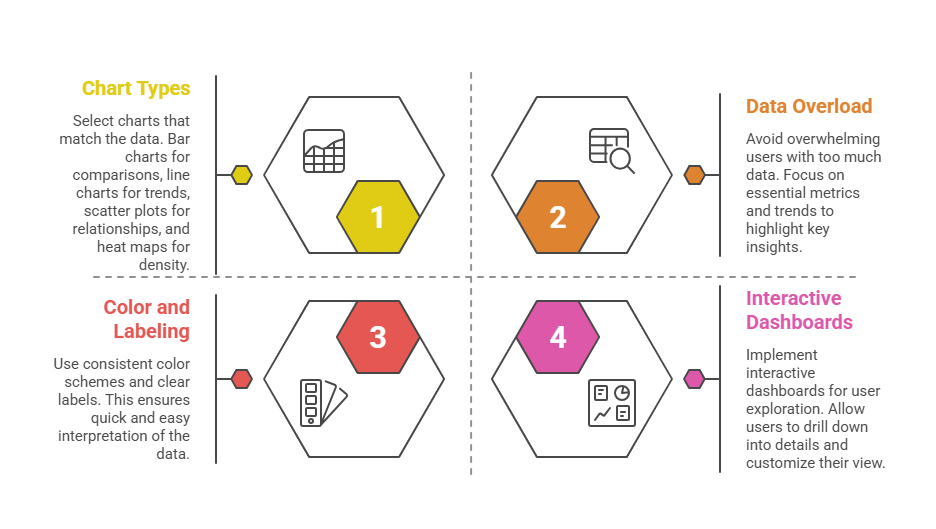
Craft a Compelling Narrative
Connect data to business stories for impact:
1. Frame the problem or opportunity.
2. Present key findings supported by data visualizations.
3. Explain implications and possible actions.
4. Address limitations and uncertainties transparently.
Storytelling humanizes data, making it more memorable and actionable.
Engage Through Dialogue and Feedback
Communication should be two-way, fostering engagement and shared understanding:
1. Encourage questions and clarifications in presentations or reports.
2. Use surveys, workshops, or one-on-one meetings to gather feedback on insights and formats.
3. Adapt communication approaches based on stakeholder reactions and preferences.
Active listening builds trust and enhances insight adoption.
Leverage Multiple Communication Channels
Use a mix of methods to fit audience preferences and contexts: