Connecting on-premises infrastructure to AWS Cloud is a common need for hybrid cloud architectures. AWS offers two primary connectivity options for such connections: AWS Site-to-Site VPN and AWS Direct Connect.
Both provide secure pathways but differ significantly in architecture, performance, cost, and use cases. Understanding these differences is crucial for selecting the right connectivity solution that balances speed, security, reliability, and budget.
AWS Site-to-Site VPN
AWS Site-to-Site VPN establishes an encrypted connection over the public internet between on-premises networks and AWS Virtual Private Clouds (VPCs).
Key Features:
1. Uses IPSec VPN tunnels to ensure data encryption in transit.
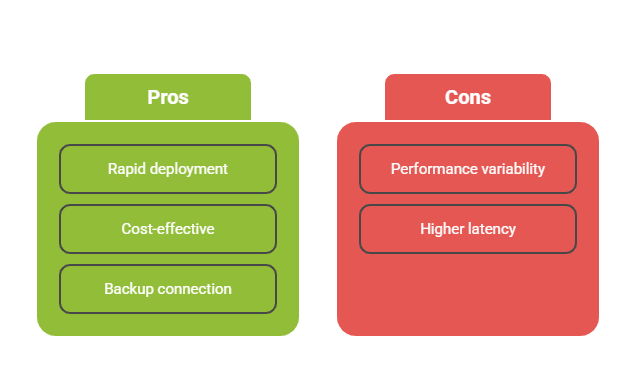
2. Supports quick setup, often within minutes, with no physical infrastructure required.
3. Typically provides bandwidth up to 1.25 Gbps per VPN tunnel, limited by the internet connection speed.
4. Traffic traverses the public internet, so latency and bandwidth can fluctuate.
5. Cost-effective, with pricing based on connection hours and data transfer.
Use Cases:
1. Quick cloud adoption or proof-of-concept projects.
2. Disaster recovery backup for Direct Connect.
3. Smaller data transfers and non-latency sensitive workloads.
AWS Direct Connect
AWS Direct Connect provides a dedicated, private network connection between on-premises data centers and AWS, bypassing the public internet.
Key Features:
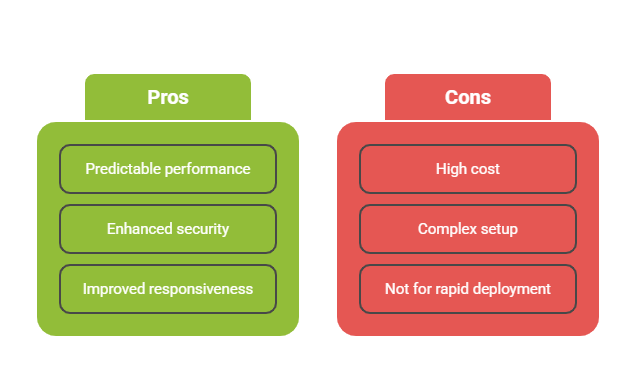
1. Offers consistent, low-latency, high-bandwidth connections ranging from 50 Mbps to 100 Gbps.
2. Network traffic does not traverse the public internet, enhancing security and reducing exposure to outside threats.
3. Requires physical setup and coordination with AWS and network providers, leading to longer provisioning times (typically 4–12 weeks).
4. Supports optional MACsec encryption for data in transit, though it’s not enabled by default.
5. Pricing involves a monthly port fee plus data transfer charges.
Use Cases:
1. Large-scale, bandwidth-intensive migrations and hybrid cloud architectures.
2. Real-time applications need consistent network performance, like financial trading or media streaming.
3. Workloads with strict compliance and security requirements.
Combining VPN and Direct Connect
Many organizations combine AWS Direct Connect with a Site-to-Site VPN to leverage the benefits of both. The VPN can provide secure failover in case Direct Connect experiences issues, ensuring business continuity while maintaining optimized network performance.

Class Sessions
Sales Campaign

We have a sales campaign on our promoted courses and products. You can purchase 1 products at a discounted price up to 15% discount.