Effective risk management and governance are critical components of modern business operations, especially in cloud environments where dynamic and complex factors influence security and compliance.
Organizations must establish robust business controls, ensure auditability, and continuously monitor compliance to mitigate risks, maintain regulatory adherence, and build stakeholder trust.
This systematic approach enables companies to proactively identify vulnerabilities, govern their processes strictly, and demonstrate accountability.
Business Controls: Framework for Risk Mitigation
Business controls are policies, procedures, and technical safeguards designed to mitigate operational, financial, and security risks.
Controls help maintain the integrity of business processes and protect assets, including data, systems, and resources. Controls can be preventive, detective, or corrective: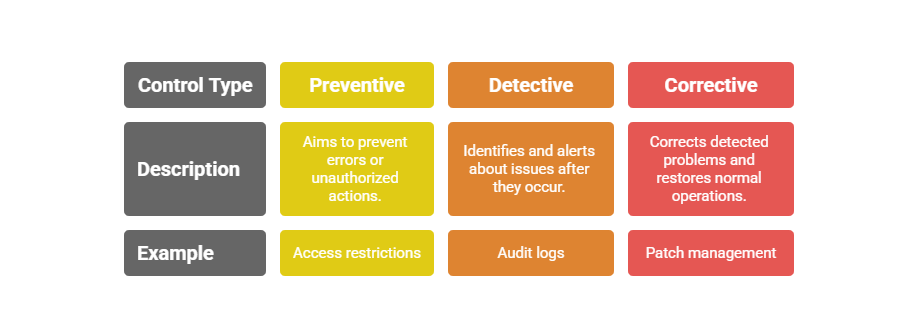
Auditability: Enabling Transparency and Accountability
Auditability refers to the capability to track, record, and review business activities and systems to verify compliance with internal policies and external regulations.
It requires maintaining detailed, immutable records of transactions, access, and changes. Effective auditability facilitates:
| Type of Audit | Description |
| Internal Audits | Regular reviews are conducted by internal teams to assess risk exposure, evaluate internal controls, and ensure operational effectiveness. |
| External Audits | Independent assessments are performed by regulatory bodies or certification auditors to verify compliance with legal, regulatory, and industry standards. |
| Continuous Auditing | Automated, real-time evaluation of systems and controls that enables immediate detection of irregularities and ensures ongoing compliance. |
Compliance Monitoring: Continuous Oversight for Regulatory Adherence
Compliance monitoring is the ongoing process of evaluating whether an organization adheres to applicable regulations, standards, and internal policies. It includes:
1. Regular Assessments: Scheduled checks and risk assessments to identify gaps in compliance.
2. Automated Monitoring Tools: Use of technology to continuously track compliance posture and alert on deviations.
3. Reporting and Remediation: Documenting compliance status to stakeholders and implementing corrective actions as needed.
Together, these capabilities provide a comprehensive risk governance framework that promotes operational resilience, regulatory compliance, and ethical business conduct.

Class Sessions
Sales Campaign

We have a sales campaign on our promoted courses and products. You can purchase 1 products at a discounted price up to 15% discount.