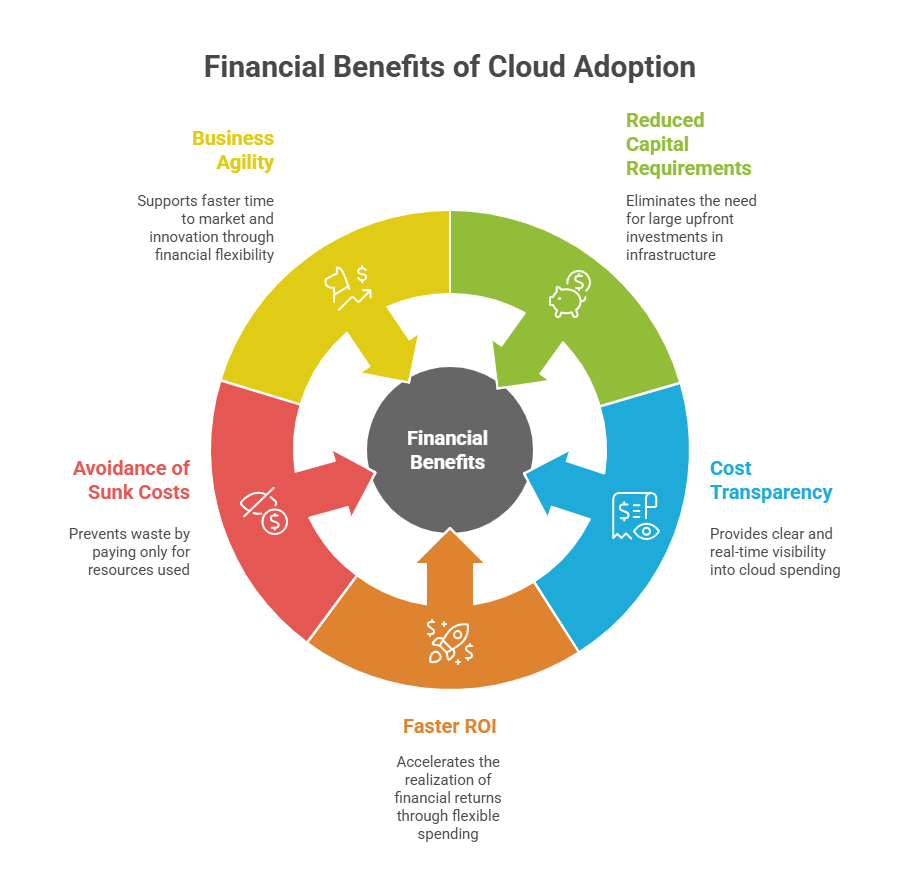
Understanding the financial impact of cloud computing is essential for organizations evaluating or managing cloud adoption. The cloud affects how businesses invest in IT by shifting traditional capital expenditures (CapEx) to operational expenditures (OpEx).
This shift, combined with strategies focused on cost avoidance and cost optimization, helps companies manage resources better, enhance financial flexibility, and support growth initiatives.
Cost Avoidance vs. Cost Optimization 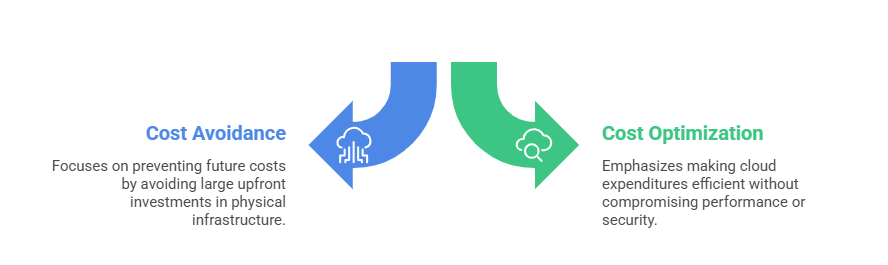
Cost avoidance refers to actions taken to prevent future costs or reduce potential expenses. In the context of cloud computing, it means avoiding large upfront investments in physical infrastructure such as servers, data centers, and networking equipment.
By using cloud services, organizations eliminate the need to purchase and maintain hardware, thus avoiding costs related to depreciation, upgrades, and space.
Cost optimization is the continuous process of making cloud expenditures as efficient as possible without compromising performance, security, or agility.
It involves selecting the right types and sizes of cloud resources, leveraging pricing models, monitoring usage, and eliminating waste. Cost optimization balances financial discipline with business needs to ensure cloud investments translate into real value.
CapEx vs. OpEx Models
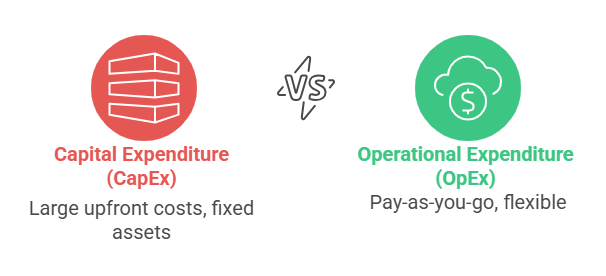
In traditional IT models, companies incur capital expenditures (CapEx) by purchasing physical hardware and software licenses. These are large, upfront, fixed costs that depreciate over several years.
CapEx budgeting requires detailed forecasting and often leads to over-provisioning to handle peak demands, resulting in underutilized assets during normal operations.
Cloud computing shifts the financial model to operational expenditures (OpEx). Businesses pay for cloud services as they consume them—typically a pay-as-you-go or subscription model. This flexibility allows organizations to:
1. Convert fixed costs into variable costs, improving cash flow and reducing financial risk.
2. Scale expenses up or down with actual business demand, avoiding over-investment and improving cost alignment.
3. Quickly experiment and innovate without large initial investments or long approval cycles.