Periodic updates to standards like ISO/IEC 27001 are essential to ensure that they remain relevant, effective, and aligned with the evolving landscape of technology, business practices, and regulatory requirements.
Standards are not static; they must adapt to address emerging risks, innovations, and feedback from users worldwide.
Regular revisions ensure that organizations using these standards can continuously improve their management systems, stay compliant with legal obligations, and maintain a competitive advantage in a dynamic environment.
Why Periodic Updates Matter
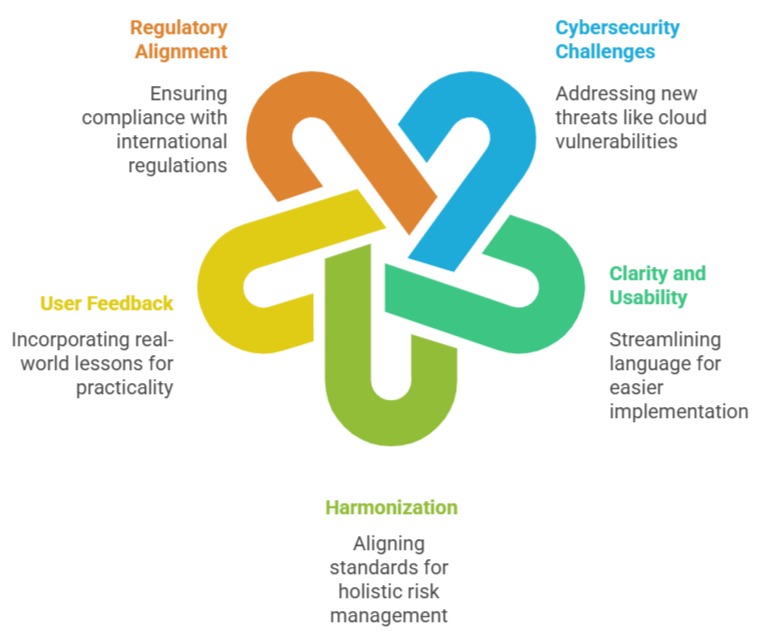
In today’s fast-paced technological world, threats to information security and operational risks are constantly changing. New cybersecurity challenges, such as cloud computing vulnerabilities, remote work risks, and sophisticated cyberattacks, require updated controls and approaches to mitigation.
Periodic standard updates incorporate these changes, enabling organizations to proactively defend against contemporary threats.
This continuous evolution maintains the confidence of customers, regulators, and stakeholders that the certification represents current best practices rather than outdated processes.
Moreover, updates improve the clarity and usability of the standards. When standards are revised, they often include streamlined language, restructured clauses, and enhanced guidance that make implementation and auditing easier.
This helps organizations reduce misunderstandings, achieve more consistent auditing results, and lower costs associated with compliance.
In addition, updates harmonize related standards to create synergy between different management system frameworks, such as quality, environmental, and information security management.
This alignment simplifies integration for organizations implementing multiple standards and encourages holistic risk management.
Finally, periodic updates reflect user feedback and lessons learned from real-world applications, making the standards more practical, flexible, and applicable to diverse industries and business sizes.
They also ensure alignment with changes in international regulations, helping organizations avoid legal risks and penalties.

Class Sessions
Sales Campaign

We have a sales campaign on our promoted courses and products. You can purchase 1 products at a discounted price up to 15% discount.