Evidence-based decision making is a key principle in ISO 9001 that involves making organizational decisions based on the careful analysis of reliable data and factual information rather than intuition, assumptions, or unverified opinions.
This approach ensures that actions and strategies are grounded in objective evidence, increasing the likelihood of achieving desired outcomes.
In a quality management system, using data-driven decision making helps organizations monitor performance, improve processes, resolve issues effectively, and align their decisions with business objectives and customer requirements.
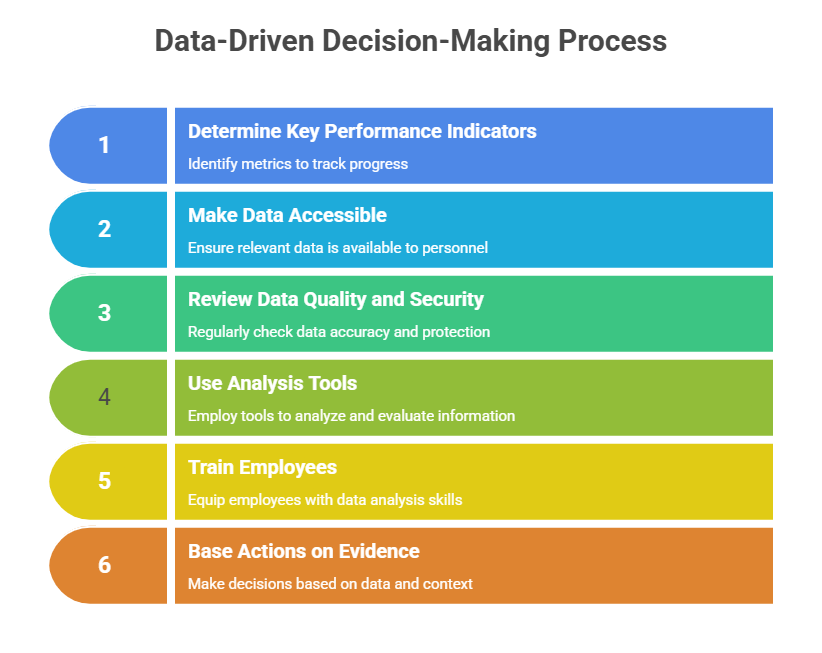
For evidence-based decision-making to be effective, organizations must establish robust processes for collecting, analyzing, and sharing data from various sources.
This data can include customer feedback, process performance metrics, audit results, and market trends.
It is essential to ensure that the data is accurate, relevant, timely, and secure so that decision-makers can trust the information they use. Additionally, personnel should have the competence to interpret data correctly and apply appropriate analytical methods.
Combining empirical evidence with professional experience and intuition allows organizations to make balanced, informed decisions that drive continual improvement.
 Benefits of Evidence-Based Decision-Making
| Benefit | Description |
| Enhanced Accuracy and Objectivity | Decisions are based on factual data, reducing the risk of errors and biases. |
| Improved Performance Assessment | Enables effective tracking and evaluation of process and product performance. |
| Greater Efficiency and Effectiveness | Data-driven insights optimize operations and resource utilization. |
| Increased Decision Confidence | Provides a solid basis to justify choices and actions made in the past. |
| Better Goal Alignment | Ensures decisions support organizational objectives and meet customer expectations. |
| Culture of Transparency and Accountability | Promotes openness and responsibility in decision-making across all levels. |

Class Sessions
Sales Campaign

We have a sales campaign on our promoted courses and products. You can purchase 1 products at a discounted price up to 15% discount.