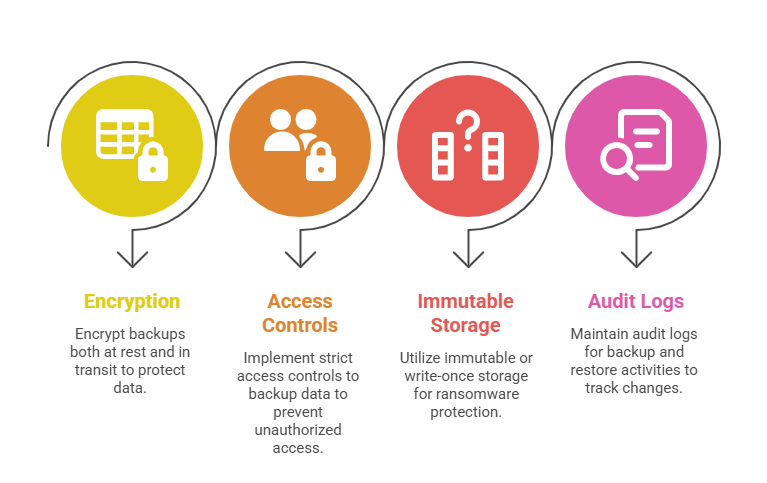
System backup and disaster recovery are critical components of IT management, ensuring that data and system configurations can be restored in the event of hardware failure, data corruption, cyberattacks, or natural disasters.
In Linux environments, implementing robust backup and recovery plans minimizes downtime, prevents data loss, and ensures business continuity.
Effective strategies involve selecting appropriate backup methods, automating processes, securely storing backup data, and regularly testing recovery.
Importance of System Backup and Disaster Recovery
System backup and disaster recovery are essential for maintaining the availability and integrity of critical data while protecting systems against risks such as accidental file deletion, hardware failures, ransomware attacks, and system crashes.
They also help organizations meet regulatory and compliance requirements and significantly reduce recovery time and operational disruptions, ensuring business continuity even during unexpected incidents.
Key Backup Strategies
Below are the essential backup techniques used in system protection. These strategies help minimize data loss during failures.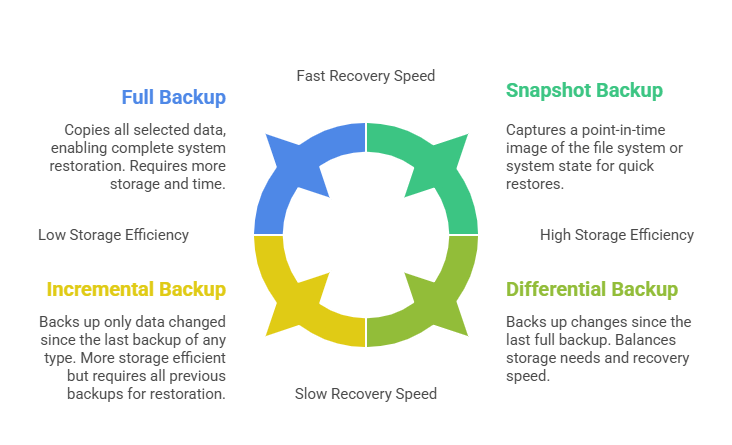
Critical Backup Assets to Protect
The following are vital backup assets that help restore systems and user data. Safeguarding them reduces the impact of failures or data loss.
1. System files and configurations (/etc, /var, etc.).
2. User data (/home directories).
3. Databases (special handling to maintain consistency).
4. Application data and logs.
5. Boot and system partitions.
Backup Methods and Tools in Linux
Here are the key tools and techniques for managing Linux backups. They ensure data is safely archived and easily recoverable.
1. Command-line utilities:
rsync: Efficient incremental file transfer.
tar: Archive and compress files.
dd: Disk image backup.
2. Backup software:
Bacula, Amanda, Duplicity for enterprise backup solutions.
cron jobs for scheduled backups.
3. Cloud-Based Backup: Integration with cloud storage ensures offsite copies for disaster resilience.
Disaster Recovery Planning
The following are critical components of an effective disaster recovery strategy. They help organizations recover operations quickly and safely.
1. Recovery Time Objective (RTO): Maximum tolerable downtime.
2. Recovery Point Objective (RPO): Maximum acceptable data loss measured in time.
3. Define step-by-step recovery procedures, including system boot, network reconfiguration, service restoration, and validation.
4. Incorporate restoration tests and updates to procedures regularly.
Security Considerations