ISO 19011 is an international standard that provides comprehensive guidelines for auditing management systems.
It applies to organizations that need to conduct internal or external audits or manage audit programs for various management systems, such as quality management (ISO 9001), environmental management (ISO 14001), and others.
The primary purpose of ISO 19011 is to ensure audits are carried out effectively, consistently, and with integrity across diverse organizations and audit types.
The standard supports organizations in planning, conducting, and improving audit programs while establishing criteria for auditor competence. It is a vital resource for auditors and audit program managers seeking to align their processes with recognized best practices.
The ISO 19011 Guidelines are Structured Around Three Main Sections
Designed to enhance the effectiveness of audit management, ISO 19011 divides its guidance into three structured parts. The following highlights these major components of the standard.
1. Managing an Audit Program: This covers the planning and organization of an effective audit program tailored to organizational needs. It includes setting audit objectives, scopes, criteria, schedules, resource allocation, coordination, and monitoring of audit performance.
Managing risks within audit programs and ensuring continuous improvement are emphasized to maintain audit relevance and effectiveness.
2. Principles of Auditing: ISO 19011 identifies seven fundamental principles auditors must follow to maintain professionalism and audit quality: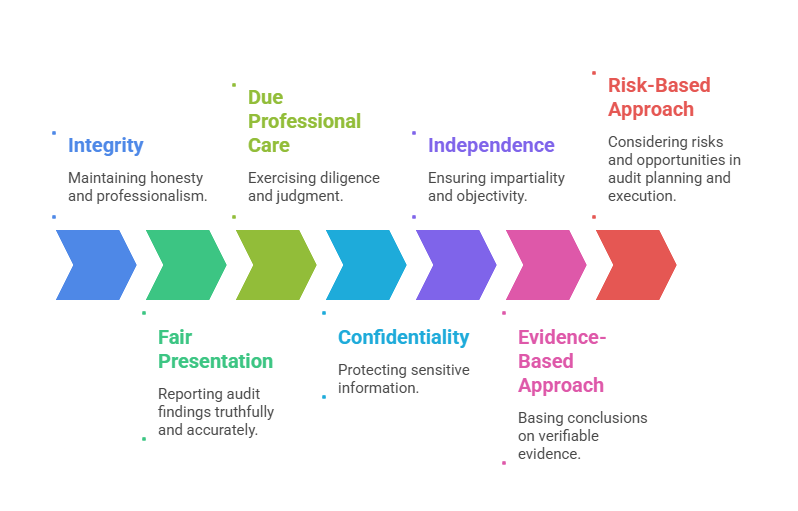
3. Conducting an Audit: This section provides detailed guidance on audit activities, including preparation, opening meetings, collecting and verifying evidence, interviewing, documenting findings, closing meetings, reporting, and audit follow-up.
It addresses roles and responsibilities, communication strategies, managing audit teams, and utilizing audit tools to achieve audit objectives efficiently.
Additionally, ISO 19011 gives criteria for evaluating the competence of auditors and audit teams, stressing appropriate knowledge, skills, and personal attributes. It encourages organizations to foster continual improvement of audit processes and auditor qualifications.
The standard also recognizes evolving audit methods, including virtual audits, and emphasizes confidentiality and effectiveness in audit programs.

Class Sessions
Sales Campaign

We have a sales campaign on our promoted courses and products. You can purchase 1 products at a discounted price up to 15% discount.